
JR Hokkaido KiHa 261 series
Data (as of 23 May 2026)
| Status: | Least Concern |
| Constructed in: | 1998-2001, 2006-22 |
| Number built: | 178 |
| Registered: | 178 |
History
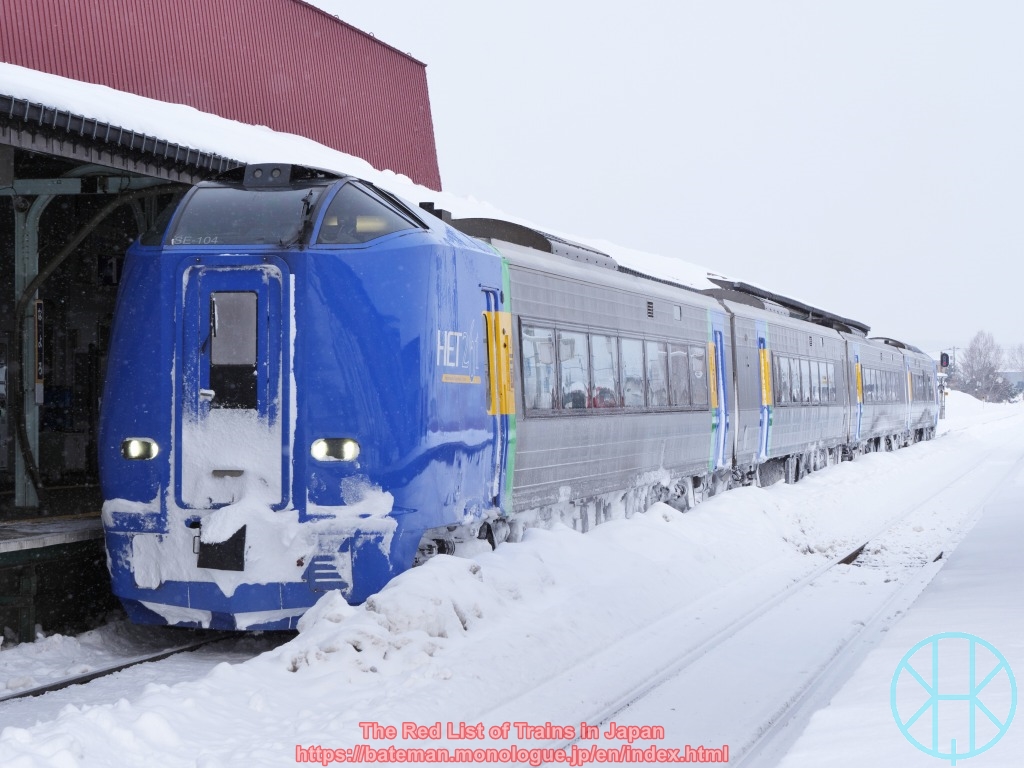
The KiHa 261 series is the most numerous limited express type DMU among all six JR companies. The series was developed as a tilting train based on KiHa 201 series. First built in 1998, the series has been widely used across the northern island of Hokkaido, replacing various limited express trains especially JNR KiHa 183 series.
The first group, variant 0, was developed for limited express services in rural part of Hokkaido, namely the Soya Main Line. Since the area has been sparsely populated and thus the ridership of the railway has remained very low, JR Hokkaido pursued a good value for money. In 2006-22, a new model called variant 1000 was introduced to various limited express services across the network. The variant 1000 trains have been painted white and yellow with purple bands since 2015. In 2020, two five-carriage units of "multi-purpose trains" (variant 5000), which can be used for both regular passenger train and rail tour, were delivered.
The KiHa 261 series trains were introduced first to Limited Express Super Soya (Sapporo - Wakkanai), raising the maximum speed of the service from 95 km/h (59 mph) to 130 km/h (81 mph). More trains were introduced to other intercity services such as Limited Express Super Tokachi (Sapporo - Obihiro).
Current Operations & Future Prospects
The KiHa 261 series are used for Limited Express Soya (Sapporo - Wakkanai), Sarobetsu (Asahikawa - Wakkanai), Ōzora (Sapporo - Kushiro via Obihiro), Tokachi (Sapporo - Obihiro), Hokuto (Sapporo - Hakodate), as well as Home Liner (Sapporo - Teine). All variant 0 units are allocated to Soya and Sarobetsu services, while other services are provided by the variant 1000. The variant 5000 is usually used for special trains including group tours.
Photos
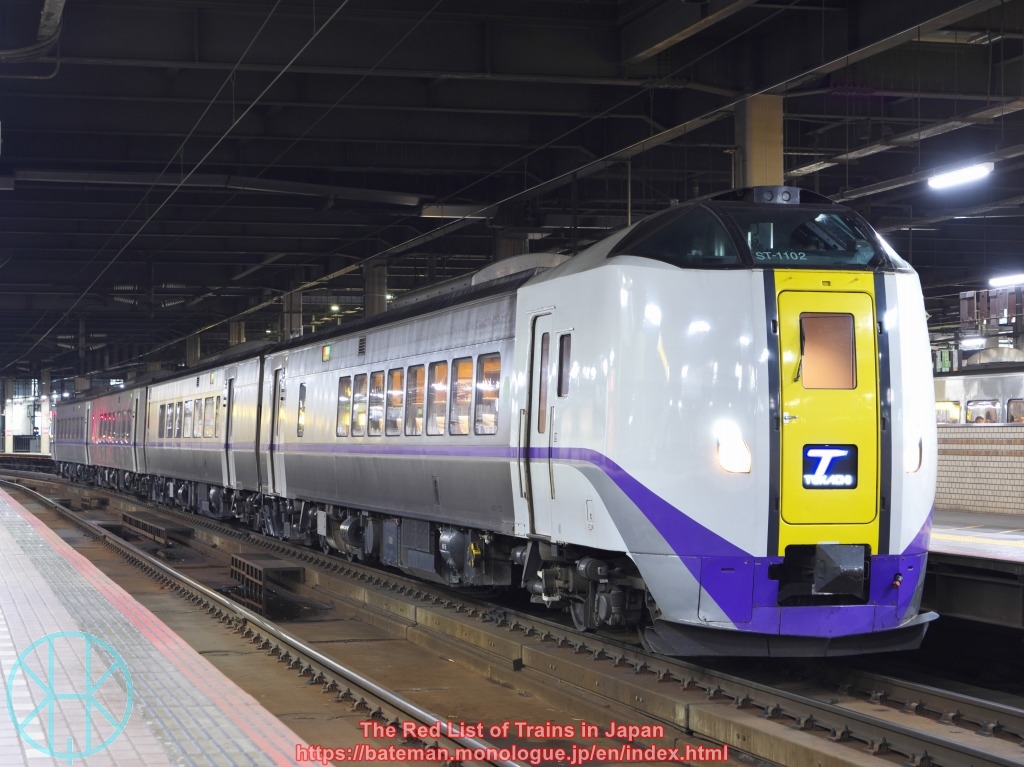
The variant 1000 is different to the variant 0, not just the livery but also the exterior design such as headlights.
(Updated: 23 May 2026)